

In train stations, uncertainty about the location of critical equipment is a major hidden cost. Between the concrete of the halls and the metal of the underground infrastructure, the loss of GPS signal creates gaps in traceability that directly impact ROI and user satisfaction. Indoor geolocation transforms manual inventory intodynamic digital data.
In increasingly large stations, the quality of the passenger experience depends directly on the immediate availability of resources. Whether it's meeting the accessibility requirements of the Mobility Orientation Law (LOM), facilitating luggage transport, or ensuring the integrity of the equipment fleet, high-precision geolocation transforms passive equipment into connected tools that serve the flow.
Guaranteed availability of wheelchairs (PRM): For assistance services (such as Assist'enGare), every minute counts. The immediate location of wheelchairs and mobile boarding ramps ensures smooth handling, avoiding train departure delays due to waiting for equipment.
Optimized luggage cart management: By analyzing areas of accumulation and shortage via threshold alerts, teams can redistribute cart fleets precisely where travelers need them (platform exits, parking lots), thereby improving the overall hub experience.
Drastic reduction in losses: Continuous monitoring detects unauthorized perimeter exits, limiting annual replacement costs that are often underestimated by operators.
Beyond the passenger experience, a station's performance relies on invisible but meticulous logistics. In these vast and constrained environments, time wasted searching for maintenance equipment or safety devices is a direct factor in operational inefficiency. Indoor geolocation automates the tracking of operating equipment, ensuring total responsiveness to unforeseen events and more agile preventive maintenance.
Flow equipment: Track your mobile barriers, event beacons, and channeling devices in real time to adapt the station layout to peak traffic.
Fire safety and auditing: Ensure that fire extinguishers and radios are present and compliant through continuous digital auditing. In the event of an inspection, you will have a certified location history.
Critical maintenance and reduction of delays: Never again will a train be stuck at the platform or in a technical area because the specific tool or spare part needed cannot be found. The immediate location of intervention equipment (tool trolleys, mobile generators) reduces downtime and the impact on passengers.

Railway stations are high-risk ecosystems where multiple activities are constantly taking place. Between areas under electrical voltage, underground technical rooms, and nighttime work on the tracks, Protection of Isolated Workers (PTI) is no longer just an option, but a regulatory requirement and a priority for HSE policy. In these labyrinthine infrastructures, where GSM signals are often unreliable, indoor geolocation becomes the vital link between the agent and the command center.
To be effective, a security alert must be qualified by an exact location. By integrating Wheere technology into PTI terminals (devices, radios, or smartphones) carried by staff, stations are drastically improving staff safety.
Making automatic alerts more reliable: When a partner device detects a fall, loss of verticality, or prolonged immobility, Wheere data provides the crucial answer to the question: "Where exactly?" Unlike other technologies, Wheere provides reliable floor data (vertical accuracy), which is essential for guiding emergency responders to the correct level of a technical mezzanine or underground parking garage.
Responsiveness when an SOS alert is triggered: In the event of an assault or medical emergency, pressing an alert button on a device equipped with the Wheere solution instantly sends emergency services to the exact location of the incident. By eliminating the time spent searching in labyrinthine areas, location data drastically reduces response times during the "golden minute."
Visibility into human flows ensures that security procedures are rigorously enforced, while optimizing coordination between external service providers.
In an environment where every square meter and every minute counts, indoor geolocation does more than just monitor: it generates empirical data that can be used to analyze the actual dynamics of the station. By converting movements into digital flows, managers can move from intuitive management to fact-based performance management.
Visibility into the trajectories of field teams offers unprecedented opportunities for optimizing work organization.
Route optimization: By analyzing the actual routes taken by cleaning or maintenance providers, it becomes possible to identify redundancies or neglected areas. The goal is to rebalance schedules based on actual space occupancy, ensuring maximum efficiency without increasing staff numbers.
Streamlining processes: Identify "downtime" or bottlenecks where teams lose productivity (waiting for elevators, accessing storage areas) to rethink the logistics ergonomics of the station.
The use of location data makes it possible to map activity at the station in order to anticipate needs and secure assets.
Density mapping (heat maps): Instantly visualize areas of high demand for equipment (trolleys, mobile assets). This analysis allows you to anticipate resource needs during peak hours and better distribute assets to avoid service disruptions for passengers.
Geofencing and perimeter protection: Creating virtual barriers allows for automated surveillance.
Assets: Receive an immediate alert if critical equipment leaves its authorized area (prevention of theft or unauthorized removal).
Safety: Set up real-time alerts if an employee enters a high-risk area (electrical zone, track access) without prior authorization, thereby strengthening the prevention of workplace accidents.
Decision support (CAPEX/OPEX): Thanks to the actual usage data collected, management can justify their investments (purchase of new PRM chairs, team sizing) based on concrete usage statistics rather than estimates.
Rail hubs pose a major challenge for wave propagation: reinforced concrete, metal structures, and underground areas saturate or block conventional signals (Wi-Fi, Bluetooth, UWB).
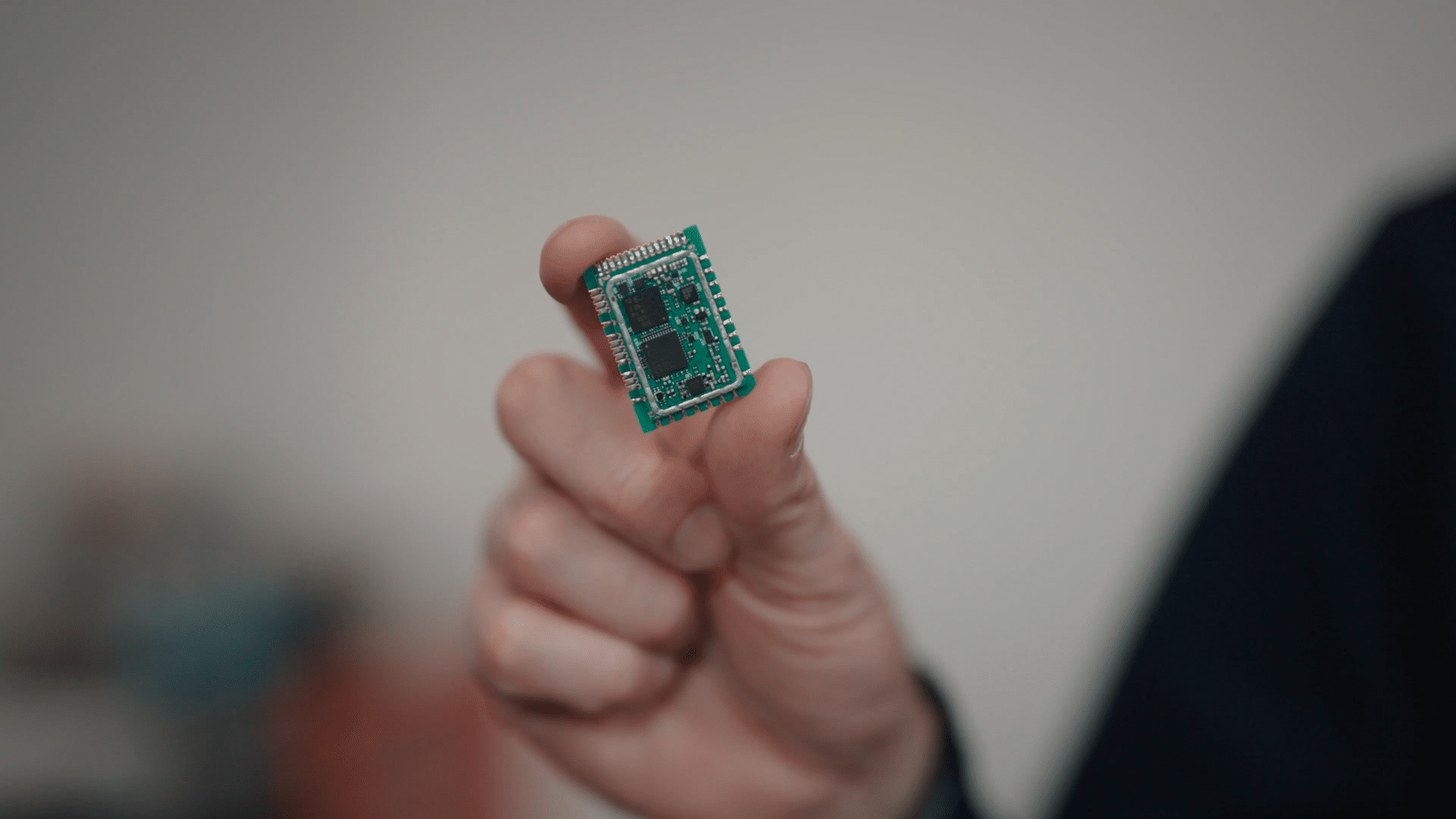
Wheere technology addresses these physical challenges with a unique approach: the use of low-frequency signals allows it to pass through dense materials to ensure continuous, uninterrupted tracking, from the outdoor forecourt to the tunnels. This solution also stands out because it operates independently of GPS or local networks, eliminating any risk of interference with critical rail safety systems. Finally, it provides three-dimensional location data, which is essential for identifying the exact location of an asset or agent within multi-level structures, such as mezzanines or stacked platforms.
Share it and discover other articles you might also like!

