
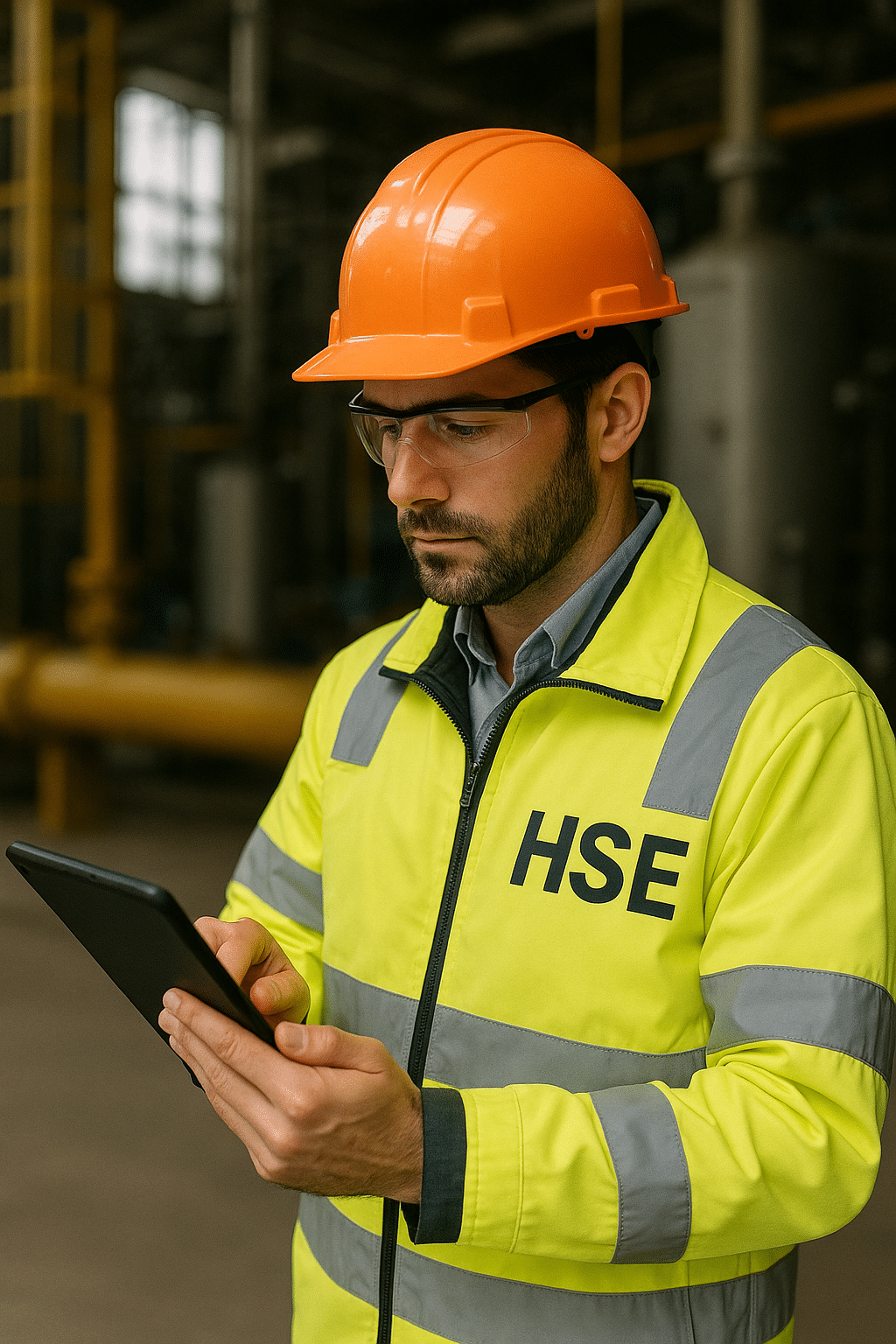
In many industrial companies, it's not uncommon for a technician to be called out in an emergency to repair a machine or intervene on a sensitive site, without his or her authorizations being up to date. An out-of-date electrical certificate, non-renewed safety training or a specific authorization that has been forgotten: these are all details that may seem insignificant... until an accident occurs.
This type of negligence is one of the most widespread and insidious HSE flaws: it often stems from administrative complexity or poor information flow between human resources, managers and operational teams.
The repercussions can be far-reaching: injuries, insurance invalidation, production stoppages, even criminal prosecution for failure to comply with legal obligations in terms of health and safety in the workplace. Not to mention the human and psychological impact on teams.
It is precisely to avoid these shortcomings that many companies are now turning to digital platforms for managing skills and authorizations. These tools, often integrated into global QHSE solutions, centralize all data relating to training, certifications and authorizations for each employee.
Thanks to automatic alerts, it becomes impossible to plan an intervention without ensuring that the person has the required and valid qualifications. Better still, some platforms allow you to create "skills matrices" to visualize, at a glance, the strengths and weaknesses of your teams.
In a chemical plant, an operator cannot access an ATEX zone (explosive atmospheres) without specific authorization. The digital system automatically blocks access authorization and sends a reminder to the HSE manager to organize the necessary training. This not only increases safety, but also saves time and peace of mind for teams.

On many industrial sites, a subcontractor or temporary employee may unknowingly enter a hazardous area, such as an ATEX zone, a high-voltage electrical room or a chemical containment area. This error may be the result of poor signage, a lack of vigilance or simply a failure to control access in real time.
These unintentional, yet avoidable, intrusions can trigger serious incidents or expose the company to heavy penalties for non-compliance with security rules.
The consequences are manifold: risk of personal injury, environmental pollution, business interruption, even criminal liability for failure to secure hazardous areas. This type of event can also have a lasting impact on a company's reputation with the authorities and its partners.
Indoor geolocation, combined with intelligent access control systems, offers a concrete response to this type of problem. Using technologies like Wheere, it becomes possible to precisely locate people within a site and define virtual "geo-barriers".
When an employee or visitor approaches a restricted area without authorization, an alert is automatically triggered, enabling immediate intervention.
In a petrochemical complex, an outside maintenance technician is about to enter an ATEX zone without the required clearance. Thanks to an indoor geolocation system coupled with digital access control, the door remains locked and a notification is sent to the HSE supervisor. The risk is neutralized before it can materialize.

In many companies, risk assessments are carried out once, then put aside for months or even years. Conditions change: new equipment, process modifications, reorganization of teams... but risk analysis doesn't always keep pace.
This discrepancy between reality in the field and prevention documents creates a blind spot in which accidents can occur without warning.
This underestimation of risks exposes the company to avoidable accidents, production stoppages and sanctions in the event of an audit or inspection. It also weakens the internal safety culture, as teams quickly perceive this lack of adaptation.
Digital QHSE management platforms transform risk assessment into a continuous, collaborative and scalable process. By centralizing information, using digital checklists and facilitating feedback from the field via smartphones or tablets, it's easy to update risks in real time and document actions taken.
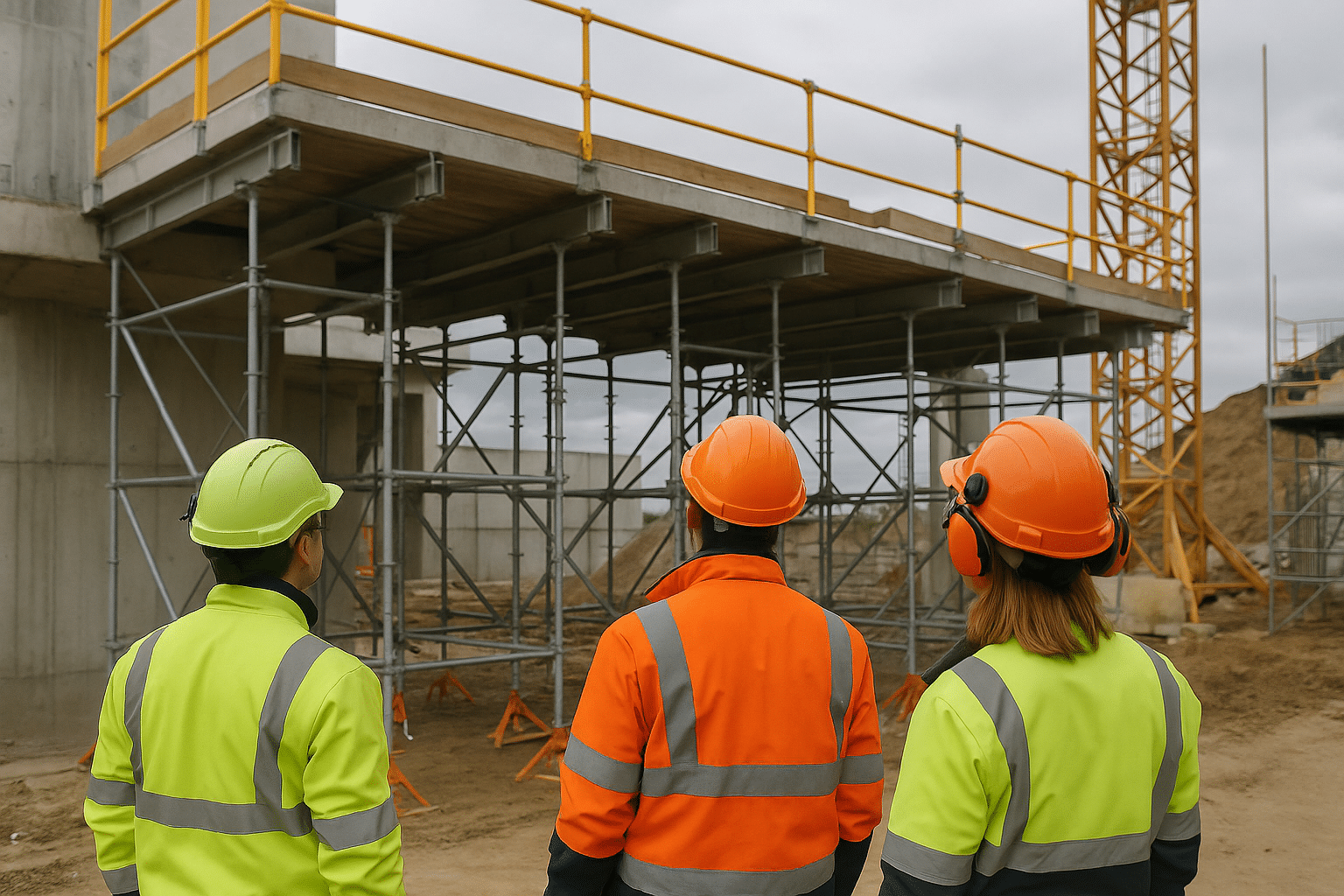
On a civil engineering site, teams notice the emergence of new risks linked to working at height following the installation of temporary structures. Thanks to a QHSE mobile application, these risks are immediately reported, analyzed and integrated into the prevention plan. Corrective measures are taken immediately, thus avoiding accidents.
Some companies often continue to apply outdated internal procedures, unaware of the latest health, safety and environmental regulations. This is often due to the time required to consult, understand and apply the new obligations.
In a context of rapidly evolving standards - particularly in the industrial, chemical and environmental sectors - this lack of regulatory agility can be very costly.
In addition to the risk of non-compliance during an inspection or audit, the company is exposed to financial and even penal sanctions, not to mention potential administrative closures. In the event of an accident, failure to comply with the new standards increases the employer's legal liability.
Digital tools for automated regulatory monitoring make it possible to receive real-time legal updates relevant to a company's activity. These platforms analyze new publications and translate obligations into concrete actions that can be directly implemented by QHSE managers.
In a logistics warehouse, a new European regulation imposes stricter rules on the storage of flammable products. The monitoring platform detects the publication, sends a clear summary to the HSE manager, who can immediately update procedures and train the teams concerned.
Share it and discover other articles you might also like!
